

frosted glass price
The Dual Facets of Fence Spikes Security and Controversy In the realm of property protection and perimeter security, fence spikes have emerged as a popular deterrent against unauthorized intrusion and unwanted climbers. These sharp, metal protrusions, typically fixed along the top of fences or walls, embody a simple yet effective approach to enhancing security measures. However, they also spark debates surrounding their ethical implications and potential harm to both humans and animals. This article delves into the dual facets of fence spikes – their role in bolstering security and the controversies that surround their use. **Security A Pragmatic Defense Mechanism** Fence spikes, often made from corrosion-resistant materials like stainless steel or aluminum, serve as a physical barrier that discourages would-be intruders. Their menacing appearance alone acts as a psychological deterrent, signaling that any attempt to scale the fence will result in injury. This passive security measure is particularly favored for commercial properties, warehouses, government facilities, and even residential homes seeking an additional layer of protection without the ongoing costs associated with electronic surveillance systems. Their design varies from blunt-tipped to sharply pointed, with some models featuring a reverse angle that makes it difficult for individuals to dismount once they've climbed onto the spikes. This not only prevents intrusion but can also buy valuable time for security personnel or law enforcement to respond. Furthermore, fence spikes are generally easy to install and require minimal maintenance, making them a cost-effective security solution. **Controversies Balancing Safety and Ethics** While the security benefits of fence spikes are undeniable, they have also become a subject of controversy due to safety and ethical concerns. Critics argue that these devices pose a significant risk to unsuspecting or desperate individuals who may attempt to scale a fence, leading to injuries ranging from minor cuts to severe lacerations and even life-threatening falls if a climber loses balance. The ethical debate extends beyond human welfare to include animal rights. Stray animals or wildlife attempting to traverse fences can inadvertently come into contact with these spikes, causing unnecessary suffering Stray animals or wildlife attempting to traverse fences can inadvertently come into contact with these spikes, causing unnecessary suffering Stray animals or wildlife attempting to traverse fences can inadvertently come into contact with these spikes, causing unnecessary suffering Stray animals or wildlife attempting to traverse fences can inadvertently come into contact with these spikes, causing unnecessary suffering fence spikes . This has led animal welfare organizations to raise concerns about the indiscriminate harm inflicted by such security measures. Legal frameworks in various jurisdictions reflect this dichotomy. Some cities have outright banned or heavily regulated the use of sharp fence spikes in public areas, emphasizing the need for more humane alternatives. Others mandate clear warning signs to alert individuals of the potential danger, striking a balance between security needs and public safety. **Alternative Solutions and the Path Forward** Acknowledging the controversies, developers and security experts are exploring alternative designs that maintain deterrence while minimizing harm. One such innovation includes rounded or blunted tips that still make climbing difficult but reduce the risk of injury. Coating the spikes with non-slip materials can further discourage attempts without causing severe injuries. Another approach involves integrating electronic surveillance with physical barriers, leveraging technology like motion sensors, infrared cameras, and alarm systems to detect and deter intruders without relying solely on potentially harmful physical deterrents. Ultimately, the deployment of fence spikes underscores the complex interplay between security needs and ethical considerations. As societies strive to protect their assets, the challenge lies in adopting security measures that are both effective and respectful of human dignity and animal welfare. Through continued innovation and responsible implementation, it is possible to strike a balance that upholds security without compromising on ethical standards.
about
frosted glass price
Understanding 3% and 4% Check Valves Function, Types, and Applications Check valves are crucial components in various fluid systems, allowing flow in one direction while preventing backflow. Among the different types of check valves, those denoted as 3% and 4% check valves refer to specific operational characteristics, including their cracking pressure, which is the pressure at which the valve begins to open. This article delves into the intricacies of these valves, their functions, types, and applications across various industries. The Function of Check Valves The primary function of a check valve is to maintain unidirectional flow within a pipeline. This is essential in systems where reversed flow could cause damage or inefficiency. Check valves work automatically, relying on the pressure of the fluid to open and close the valve. When pressure exceeds the valve's cracking pressure, the valve opens, allowing fluid to pass through. If the pressure drops or reverses, the valve closes, preventing backflow. Understanding 3% and 4% Check Valves The designation of check valves as 3% or 4% can refer to their cracking pressures relative to the system pressures they are used in. A 3% check valve may have a lower cracking pressure, allowing it to open more readily at lower system pressures. This characteristic is particularly beneficial in systems where pressure fluctuations are common. Conversely, a 4% check valve, with a higher cracking pressure, may be more suitable for systems operating under higher pressures or where flow must be more controlled. Types of Check Valves There are several types of check valves, each serving unique applications 1. Swing Check Valve Utilizes a swinging disc to allow or prevent flow. The disc swings open when fluid flows in the designated direction and swings closed in the event of backflow. 2. Lift Check Valve Features a vertically moving disc or piston. Flow in the forward direction lifts the disc, while backflow causes it to seat back against the body, preventing reverse flow. 3 4 check valve 3. Ball Check Valve Uses a ball as the closure element. The ball lifts off its seat when fluid flows in the correct direction and settles back down to prevent backflow. 4. Diaphragm Check Valve Employs a flexible diaphragm that opens or closes in response to fluid pressure, suited for sensitive applications or fluids that may corrode conventional materials. Applications Across Industries Check valves, including 3% and 4%, find extensive applications across various industries - Water Supply and Waste Management Ensuring unidirectional flow in pipelines, preventing contamination from backflow. - Oil and Gas Used in drilling, refining, and transportation systems to protect against potential hazards from reverse flow. - HVAC Systems Maintaining proper flow in heating, ventilation, and air conditioning systems to optimize performance and energy efficiency. - Pharmaceuticals In processes where fluid purity is critical, specific check valves ensure that contamination through backflow is avoided. Conclusion Understanding the functions and applications of 3% and 4% check valves is essential for selecting the right components for fluid systems. With various types of check valves available, engineers and system designers can tailor their choices based on operational needs, ensuring efficient and safe fluid transport. Whether in municipal water systems, industrial processes, or cutting-edge technology sectors, these valves play a vital role in maintaining system integrity and operational efficiency. Proper selection and maintenance of check valves contribute significantly to reducing downtime and enhancing the longevity of fluid systems.
-

High quality industrial productsagement

High quality industrial products
View Details -

Meet the diverse needs of customers

Meet the diverse needs of customers
View Details -

Strict quality control

Strict quality control
View Details -

Top raw materials

Top raw materials
View Details -

Trusted supplier

Trusted supplier
View Details
Our application


news and information
Wear Resistance Strategies for Trapezoidal Threads
Trapezoidal threads are a cornerstone of mechanical systems requiring precise linear motion and load
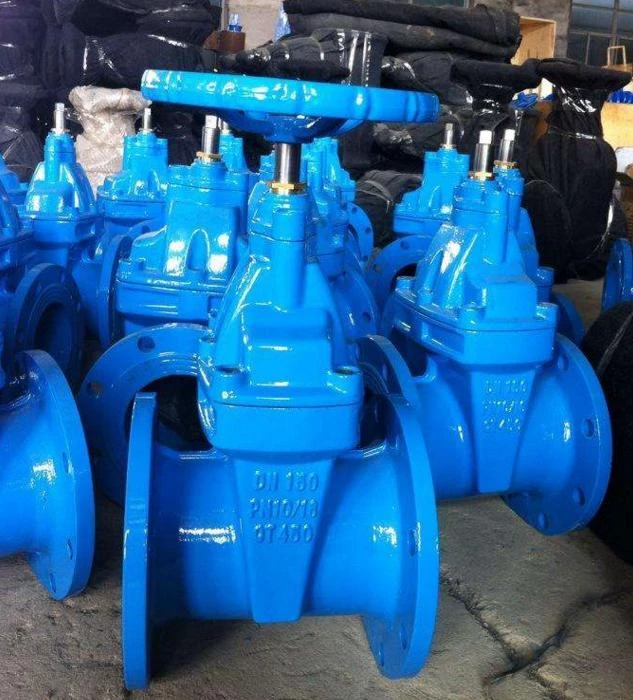
which way turn water valve off
How to Turn Off a Water Valve A Step-by-Step Guide Understanding how to turn off a water valve is an
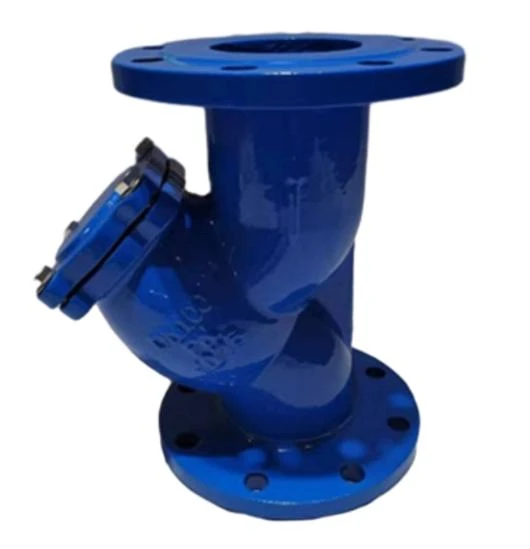
y type suction strainer
Understanding Y-Type Suction Strainers A Comprehensive Guide In various industrial applications, mai
 English